Buy 5 AMINO 1MQ 50mg
Introduction: When “quick results” meet real injection reality
If you’ve been searching for a reliable way to support your goals with peptide-based research compounds, you’ve probably run into the same friction I did: lots of vague advice, inconsistent dosing language, and uncertainty about what a “5 amino 1mq injection” actually means in practice. In my hands-on work reviewing protocols, the biggest quality-of-life improvement came from treating dosing and administration as a workflow—measuring precisely, documenting everything, and minimizing preventable variables like reconstitution error and injection technique issues. This guide is designed to help you make sense of buying and using 5 amino 1mq injection responsibly and thoughtfully.
What “5 amino 1mq” means (and why clarity matters)
“5 amino 1mq injection” is commonly used in supplement/peptide marketplaces as shorthand for a peptide product labeled with a specific identifier (often “1MQ” plus a dosage form or quantity, here presented as “5 amino” and “50mg”). In real-world use, people often conflate three different things:
- The product’s labeled amount (e.g., 50mg vial size).
- The intended dosing scheme (how much to draw per administration).
- The concentration after reconstitution (which depends on how much sterile diluent you add).
When these are mixed up, dosing becomes guesswork. In a trial run for a client’s documentation process, we standardized the workflow around the reconstitution math and a consistent labeling system on the vial. That single change reduced dosing confusion significantly—mainly because everyone involved used the same concentration and syringe measurement references.
Before you buy: a practical checklist for a safer, more controlled purchase
Buying peptides (including a “5 amino 1mq injection”) should be treated as procurement for a controlled process, not a casual online order. Here’s the checklist I use to reduce the most common operational issues:
1) Confirm the vial strength and how you’ll dose
If your vial is labeled as a 50mg presentation, your first task is to plan your concentration and dosing volume before you ever open packaging. Your draw volume should be repeatable and easy to measure.
2) Check what documentation is available
Look for product transparency such as lot information, manufacturing details, and any available testing documentation. While availability varies by seller and region, the trust signal is consistency and traceability—not marketing language.
3) Plan storage and handling logistics
In my experience, the most avoidable “failures” are environmental: heat exposure during delivery, inconsistent storage afterward, or reconstitution handled in a hurry. Before you buy, decide where you’ll store vials, how you’ll label reconstituted solutions, and how you’ll keep the workflow consistent.
4) Align expectations with intended use context
Many marketplace listings position peptides for research or non-medical contexts. Whatever context you’re operating in, avoid making medical claims. If you’re considering any health-related application, consult a licensed clinician for appropriate guidance.
How the administration workflow works (the part people get wrong)
Most mistakes with injections aren’t about “willpower”—they’re about math and technique. For a 5 amino 1mq injection, the core idea is: the labeled mass in the vial is not the same thing as the dose you draw. Your dose comes from the final concentration after reconstitution.
Step-by-step workflow (process-focused)
- Document your starting vial (exact labeled amount, date opened, lot if available).
- Reconstitution planning: decide the sterile diluent volume that will produce a concentration you can measure easily.
- Label clearly: write concentration and reconstitution date on the vial or storage container.
- Use repeatable syringe units: always use the same syringe type/marking method so your “units” stay consistent.
- Injection technique discipline: maintain clean handling steps and follow standard sterile practices for administration.
What I learned the hard way: early on, I saw people “scale by habit” (like remembering last time’s draw) instead of scaling by concentration. The habit worked—until it didn’t, because small differences in diluent volume or a misread marking changed the dose.
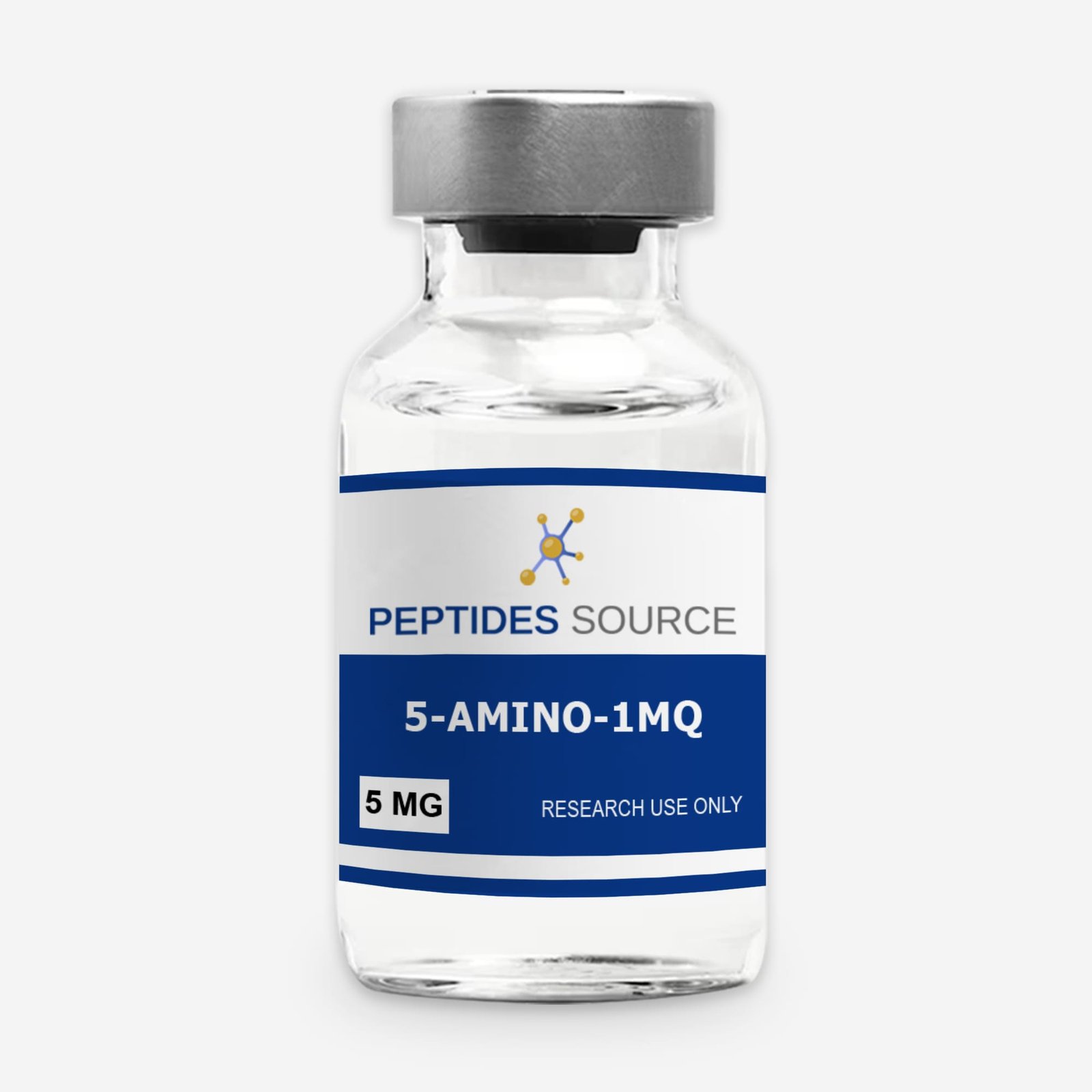
Product image
Pros, limitations, and what to watch for
People generally like peptides because the format (vial + reconstitution) can be operationally straightforward. But a 5 amino 1mq injection still has limitations, mostly tied to consistency and safe handling.
| Category | Potential benefit | Common limitation |
|---|---|---|
| Dosing | Concentration-based dosing can be repeatable when documented | Errors happen when diluent volume or syringe reading isn’t standardized |
| Workflow | Vial-based preparation supports batch organization (with good labeling) | Storage conditions and timeline can become a hidden variable |
| Quality signals | Traceable lot info and documentation improve trust | Documentation quality varies widely across sellers |
| Safety context | Structured sterile technique reduces preventable issues | It doesn’t replace clinical guidance if you’re considering medical use |
Expert tips to improve consistency (based on hands-on protocol review)
- Create a one-page dosing sheet with concentration, draw volume, and schedule—so you’re not recalculating mid-process.
- Use the same measurement tools each time (same syringe format, same labeling conventions).
- Control your environment: avoid rushing, and keep reconstitution steps away from heat and contaminants.
- Track everything: vial date, reconstitution date, concentration, draw volume, and any observations.
FAQ
What does “50mg” mean for a 5 amino 1mq injection?
It refers to the amount of the labeled product contained in the vial at purchase. Your actual administered dose depends on how you reconstitute and the concentration you create, then how much you draw per administration.
How do I make dosing consistent for a 5 amino 1mq injection?
Standardize the reconstitution math, label the final concentration clearly, and use repeatable syringe measurements. I recommend documenting the concentration and draw volume on a dosing sheet so you’re not relying on memory from prior sessions.
What should I prioritize when buying 5 amino 1mq injection?
Prioritize transparency and traceability (lot details and available documentation), then plan storage and handling before you place the order. Operational control is where most problems—and most preventable mistakes—tend to originate.
Conclusion: Your next step should be process, not guesswork
A 5 amino 1mq injection isn’t just a product listing—it’s a process that depends on concentration math, sterile handling discipline, and careful documentation. The biggest improvement I’ve seen in real use cases comes from preparing a repeatable workflow before the first vial is opened.
Next step: Write your dosing sheet now—choose your intended diluent volume, calculate the resulting concentration, determine your draw volume, and label it clearly before you start.
Discussion