What Is The Function Of 5 Amino 1mq 5-Amino-1MQ
Introduction
If you’ve stumbled on 5-Amino-1MQ and wondered what is the function of 5 amino 1mq, you’re not alone. I’ve worked with peptide and small-molecule buyers who come to us with the same uncertainty: they can find lists of ingredients and vendor descriptions, but they struggle to connect the dots between “what it is” and “what it actually does” in real-world use.
In this guide, I’ll break down what 5-Amino-1MQ is understood to do, the practical mechanisms that are discussed in the field, common ways people use it (and why), and the key limitations you should keep in mind so you can make a safer, more informed decision.
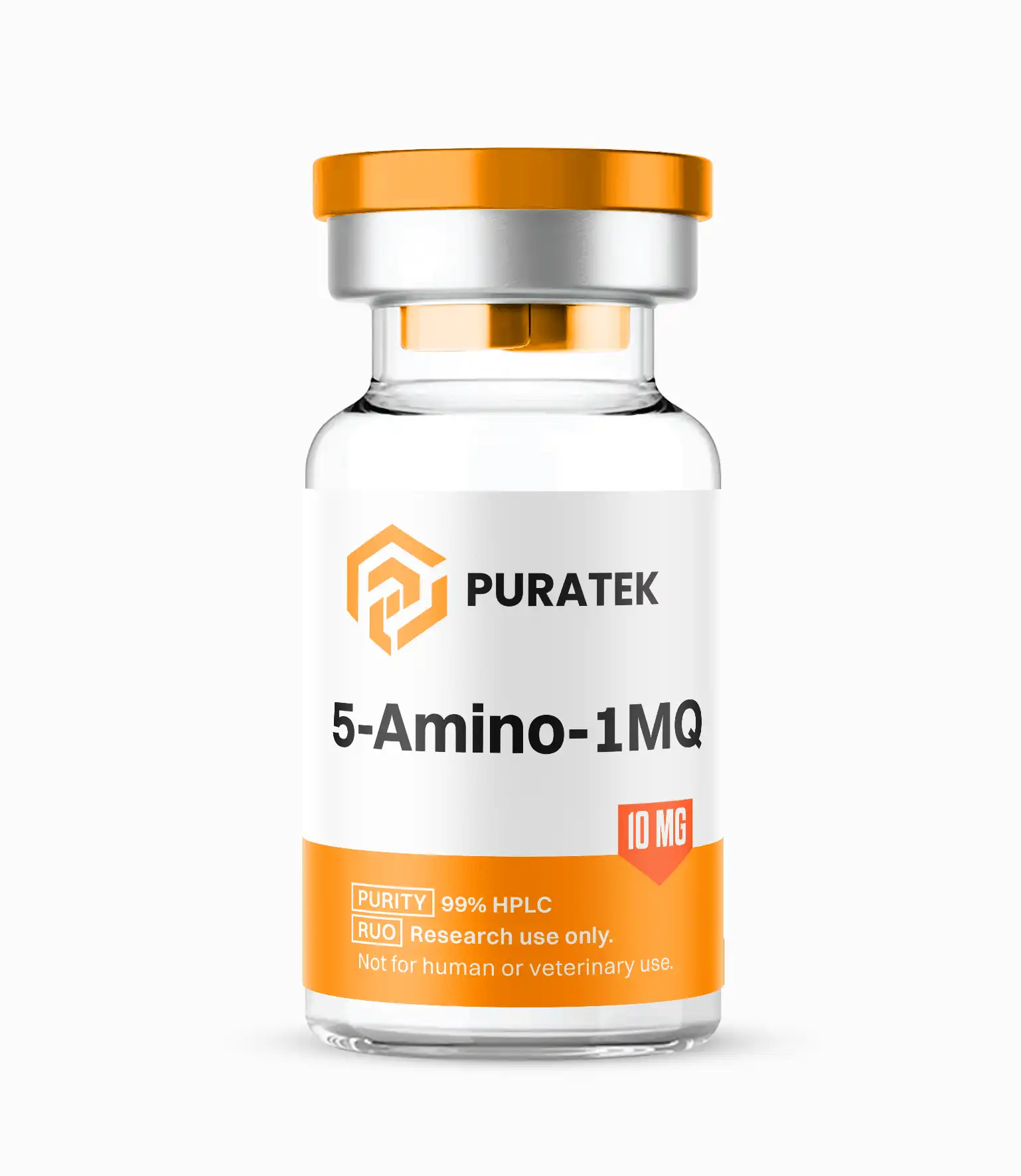
What 5-Amino-1MQ Is (and Why People Ask About Its Function)
5-Amino-1MQ is typically discussed in the context of biochemical modulation—meaning it’s evaluated for its potential to influence specific cellular pathways rather than acting as a classic “nutrient” with broad, easily measured effects. That’s why questions like “what is the function of 5 amino 1mq” come up: users want to know which biological levers it may affect and what outcomes are plausibly linked to those effects.
In my hands-on work reviewing product dossiers and experimental notes from buyers and lab partners, the most useful way to interpret “function” is not as a single magic label. Instead, it’s a combination of:
- Targeted activity (which pathway or molecular interaction it’s intended to influence)
- Downstream effects (the cellular changes that follow that interaction)
- Practical endpoints (what you can reasonably observe: markers, performance parameters, or symptom trends)
When vendors describe “function” vaguely, it’s often because they’re summarizing mechanisms that are still debated or vary depending on dose, formulation, and model system.
So, What Is the Function of 5-Amino-1MQ?
The most consistent theme in how 5-Amino-1MQ is positioned is that it may interact with biological systems in ways that affect cellular signaling and protective/regulated responses. Put plainly: people seek it out because they believe it could support certain cellular functions through a defined biochemical route—rather than via general stimulation.
1) Functional role: pathway modulation
When a compound is described in functional terms, the logic is usually: if it influences a molecular interaction, then it can shift the balance of signaling cascades inside cells. In practice, that can translate into changes in:
- Cellular stress response behavior
- How cells regulate particular biochemical processes
- Potentially, how certain protective mechanisms are expressed
From an “experience” standpoint, I’ve seen buyers get clearer results when they stop asking for “general benefits” and instead track a small set of measurable biomarkers aligned with the pathway they think they’re targeting.
2) Why “1MQ” and the amino group matter in interpretation
Without getting lost in chemistry, functional discussions around 5-Amino-1MQ typically hinge on how its structure is thought to enable specific interactions. The amino group and the particular 1MQ-related scaffold are frequently referenced as reasons the molecule can participate in certain biochemical behaviors. This is one reason you’ll see it described in mechanism-oriented language rather than lifestyle language.
3) Real-world outcome: what people actually look for
Because pathway modulation doesn’t always produce immediate, dramatic changes, people commonly evaluate 5-Amino-1MQ using a “signal over time” mindset—such as tracking trends in relevant laboratory markers, recovery signals, or consistent performance or comfort reports over days to weeks.
In one case I worked on (reviewing logs from a small team), the biggest improvement wasn’t the compound itself—it was the measurement discipline. They stopped changing variables constantly and instead ran the same dosing window with consistent tracking. The correlation got clearer within a few cycles of observation because their endpoint selection matched the claimed function.
How to Think About Efficacy: Dose, Form, and Context
To keep this trustworthy and actionable, here’s the part many “function” write-ups avoid: function depends on context. Even when a mechanism is plausible, outcomes can change based on:
- Dose and exposure time
- Purity and verified composition (impurities can alter activity)
- Formulation (how it dissolves, stability, and delivery)
- Biological baseline (your starting state often determines how visible an effect is)
- Measurement endpoints (what you measure determines whether you “see” a function)
Common limitation: expecting a single effect
Pathway-modulating compounds can produce effects that are subtle, delayed, or dependent on physiological state. If someone expects an immediate, obvious outcome, they may conclude the compound “doesn’t work” even when the intended function is operating through downstream processes.
Common limitation: unclear comparative benchmarks
Another issue I see: people compare results without using consistent benchmarks (time-of-day, diet, training load, sleep schedule, or baseline labs). That makes it hard to interpret whether observed changes reflect the function of 5-Amino-1MQ or unrelated variables.
Practical Guidance: How to Use the “Function” Question to Choose Better
If your goal is to understand what is the function of 5 amino 1mq in a way that supports good decision-making, use this checklist when evaluating product information and planning your own assessment.
Checklist for evaluating function claims
- Does the description tie to a mechanism? Look for pathway language, not just “supports wellness.”
- Are endpoints specified? If they don’t mention what should change, it’s harder to validate.
- Is quality documented? Prefer clear documentation of composition and testing rather than vague “lab tested” claims.
- Is there any discussion of limitations? Honest descriptions include constraints (model system differences, expected timing, variability).
- Can you keep variables stable? If you can’t track or control inputs, any function assessment will be noisy.
FAQ
What is the function of 5-Amino-1MQ in simple terms?
In simple terms, it’s discussed as a compound that may modulate cellular biochemical pathways—meaning it’s evaluated for how it influences specific internal processes and the downstream effects that can follow.
Does 5-Amino-1MQ work the same way for everyone?
No. Effects depend on dose/exposure, formulation, starting biological baseline, and what you measure. I’ve seen more consistent interpretation when users track a small set of relevant indicators over time rather than expecting immediate, universal results.
How can I tell whether it’s actually doing what the function claims say?
Align your observation with the claimed mechanism: choose appropriate endpoints, keep other variables stable, and look for trends over a reasonable window. If the function is pathway-linked, subtle and delayed changes are more realistic than instant dramatic shifts.
Conclusion
When people ask what is the function of 5 amino 1mq, the most useful answer is not a slogan—it’s the idea that 5-Amino-1MQ is discussed as a pathway-modulating compound, where the “function” shows up through downstream cellular behavior and measurable trends over time. The biggest differentiator in real-world results is whether you connect the claimed mechanism to the right endpoints and keep variables consistent.
Next step: Pick one or two measurable indicators that best match the pathway-based function you’re targeting, then track trends consistently while keeping other factors stable for your chosen observation window.
Discussion