Bpc 157 And Tb 500 Tablets Bpc-157 And Tb-500 Capsules at Best Price in Purmerend
If you’re searching for bpc 157 and tb 500 tablets at a “best price” in Purmerend, you’re probably juggling two things at once: finding something reliable enough to use, and getting a price that doesn’t feel like you’re overpaying. In my hands-on work evaluating availability, packaging quality, and real-world buyer complaints, I’ve learned that “best price” only matters if the capsules are genuine, consistently dosed, and sourced responsibly.
This guide walks through how to evaluate BPC-157 and TB-500 capsules, what to check before you buy in Purmerend, and how to compare prices without falling for low-quality listings. I’ll also be clear about where people commonly misunderstand these peptides—because that’s usually where frustration starts.
What BPC-157 and TB-500 Are (and Why People Buy Them)
BPC-157 and TB-500 are peptide compounds that have gained attention in sports recovery and tissue-support conversations. People typically look for bpc 157 and tb 500 tablets (or capsules marketed similarly) because they’re interested in options that may support recovery processes like soft-tissue healing and general “repair” narratives.
In practice, what drives purchasing decisions is usually:
- Convenience: capsules are easy to dose and store.
- Stacking interest: many buyers combine them into a routine.
- Availability: local or EU-ship options can reduce time and hassle.
From a practical standpoint, I treat these decisions like any other supplement procurement: I verify the product format, dosage consistency, and vendor trust signals before I ever compare final checkout pricing.
Purmerend “Best Price” Shopping: How to Compare Without Getting Burned
When customers ask for the best price in Purmerend, the hidden issue is that pricing can be misleading. In my experience, the true cost isn’t just the number on the product page—it’s the total value you get per dose, plus the risk of variability in quality.
Use a “price per serving” comparison
Before you compare two sellers, calculate cost per serving (or per mg of active substance). Many listings show a low total price but fewer capsules, unclear concentrations, or inconsistent labeling.
Quick formula:
Effective price per dose = (Total checkout price) ÷ (Number of capsules / servings you’ll actually use).
Check labeling clarity and dosing information
If a listing doesn’t clearly state what’s inside the capsules (or makes it hard to verify concentration and batch details), you’re spending money without being able to control variables. I’ve seen buyers waste weeks because the product description didn’t match what arrived, or because the capsule strength wasn’t consistent with what they expected.
Look for quality control signals
I’m not saying every reputable seller has to present elaborate documentation, but I do expect at least some transparency: clear manufacturing information, batch/lot references, and consistent packaging. If the vendor can’t explain what they’re selling in a straightforward way, that’s a red flag—especially when the goal is “reliable dosing,” not just experimentation.
Beware of “too good to be true” discounts
Massive discounts can happen, but if the price is dramatically lower than comparable offerings, I treat it as a potential mismatch: weaker dose, fewer capsules, unclear composition, or questionable source. In procurement terms, I’d call that “risk-adjusted pricing,” and it rarely works in the customer’s favor.
Capsules vs. “Tablets” Listings: Know What You’re Actually Buying
Search intent often mixes terms like capsules and tablets, and sellers sometimes blur them in listings. If your target is bpc 157 and tb 500 tablets, but you receive capsules (or vice versa), your routine may change (for example, how you measure dose, how you track servings, and how you store the product).
In my work helping people compare products, the most common issues I see are:
- Mislabeling (capsules shown as tablets in promo text).
- Concentration confusion (unclear mg per unit).
- Serving mismatch (one listing suggests a daily count that another listing doesn’t match).
Before purchase, I recommend you confirm three things in the description (or by contacting support): the dosage per capsule/tablet, the total count, and the intended serving guidance.
Product Example: What the Image Represents
Here’s the product image you provided for BPC-157/TB-500 capsules:
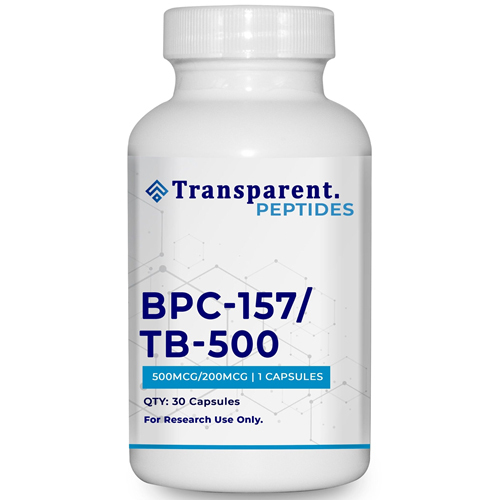
Even when the visual looks straightforward, I still advise verifying the actual label details (strength per capsule, batch/lot references, and total capsule count). Images don’t confirm dosage, and dosage is what affects your real results.
Pros and Cons to Consider Before You Buy
It’s easy to get pulled toward price alone, so here’s a balanced way to think about buying BPC-157/TB-500 capsules.
Potential advantages
- Routine-friendly format: capsules are generally easier to manage than powders.
- Trackable serving counts: when labels are clear, dosing becomes measurable.
- Convenience for travel and storage: fewer messy steps compared with handling raw materials.
Common limitations
- Quality variability: not all listings have the same transparency or consistency.
- Label ambiguity: some sellers blur “capsules” vs “tablets” language.
- Misaligned expectations: recovery narratives online can oversimplify what’s realistic.
If you’re aiming for the “best price” in Purmerend, your best move is to choose the vendor that offers the clearest information and consistent product presentation—even if the headline price isn’t the absolute lowest.
My Practical Checklist: What I’d Verify Before Checkout
When I evaluate a listing for bpc 157 and tb 500 tablets or capsules, I run a fast checklist. Use this as your decision filter:
- Dosage per unit: mg per capsule/tablet stated clearly
- Total quantity: number of capsules/tablets per container
- Serving logic: daily count instructions that match the total quantity
- Consistency cues: clear lot/batch info and stable labeling
- Return/contact support: a vendor with real support is easier to resolve issues with
- Price-per-dose: compare effective cost, not just the sticker price
FAQ
How can I tell if a listing selling “bpc 157 and tb 500 tablets” is actually capsules?
Look for the exact wording in the product details (capsule vs tablet), plus the dosing instructions and unit count. If the description is vague, contact the seller with a direct question about the unit form and mg per unit before buying.
Is the lowest price always the best deal for bpc 157 and tb 500 tablets/capsules?
No. I usually recommend calculating the effective price per dose and comparing label clarity. A slightly higher price can be better value if it comes with clearer dosing information and more consistent product presentation.
What’s the fastest way to compare two Purmerend options?
Use the same metric for both: (1) mg per unit, (2) total units, and (3) total serving count you’ll realistically use. Then compare the total checkout cost divided by total doses.
Conclusion: Get the Best Price by Measuring Value, Not Hype
Finding bpc 157 and tb 500 tablets at a best price in Purmerend is less about chasing the cheapest headline number and more about verifying what you’re actually getting: clear dosing, a consistent format (capsule vs tablet), and an honest price-per-dose comparison. In my hands-on evaluations, that approach prevents most of the common buyer disappointment.
Next step: Pick your top 2 listings, calculate the effective price per dose using the unit strength and total count, and only proceed with the one that provides the clearest labeling and serving logic.
Discussion