How Much Reconstitution Solution For 10 Mg Bpc 157 BPC-157 (10mg Vial) Dosage Protocol
Introduction
If you’ve ever opened a vial labeled BPC-157 (10mg) and then paused at the question “how much reconstitution solution for 10 mg bpc 157?,” you’re not alone. That single measurement affects everything that follows—your concentration, your dosing volume, and how easy (or confusing) it is to be consistent day to day.
In this guide, I’ll walk you through a practical, numbers-first reconstitution workflow for a 10 mg BPC-157 vial, including how to choose a target concentration so dosing is straightforward. I’ll also cover common mistakes I’ve seen in real-world compounding scenarios and explain the logic behind the math.
What “10mg” Means and Why Reconstitution Volume Matters
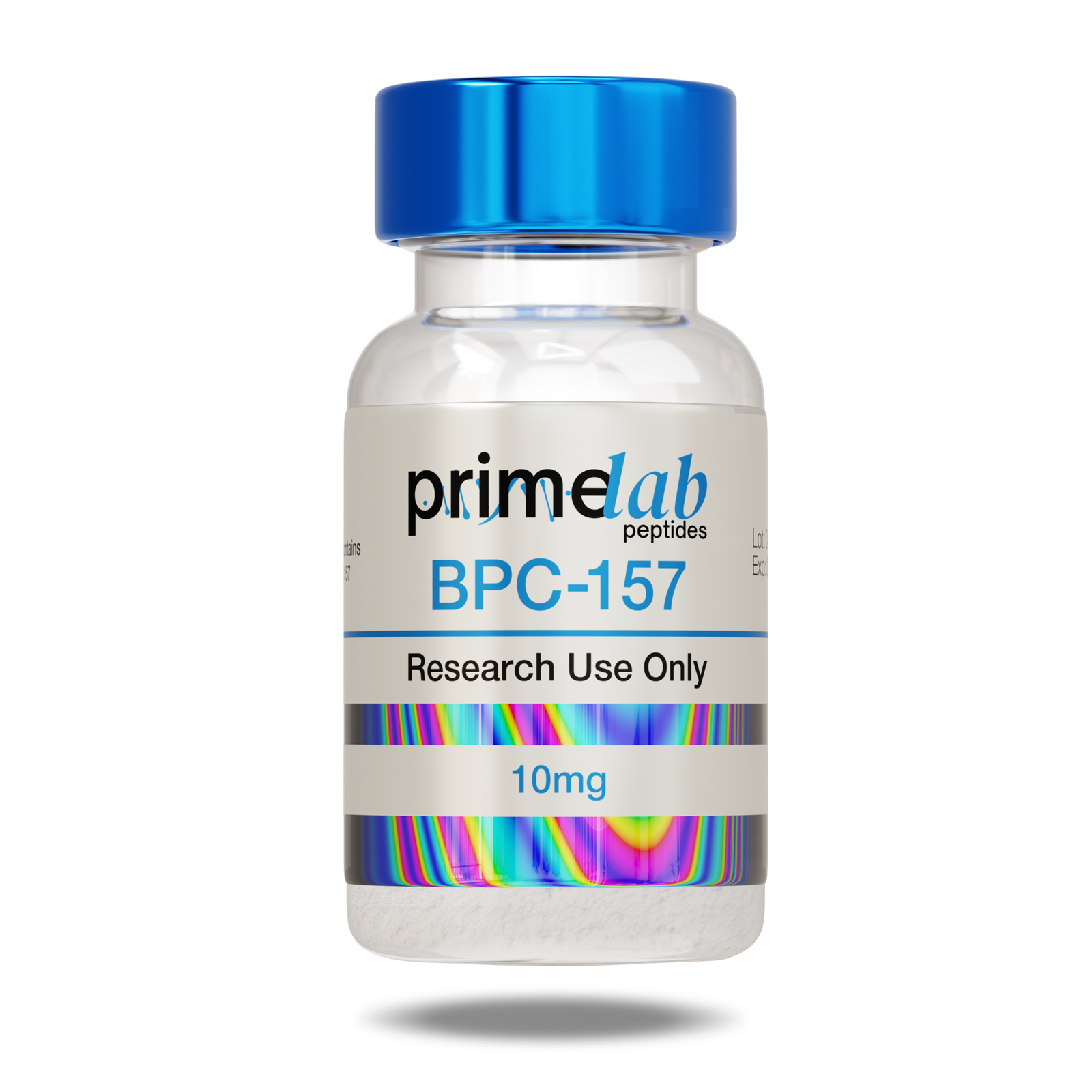
A 10 mg BPC-157 vial means the total active amount in the vial is 10 milligrams (not 10 mg per mL). After you add reconstitution solution, the vial contents become a mixture with a specific concentration (mg/mL).
That concentration determines how many milligrams you deliver when you draw up a given injection volume.
The core math (the part that prevents dosing mistakes)
To convert reconstitution volume into concentration:
Concentration (mg/mL) = Total mg / mL added
And to convert concentration into dose volume:
Volume to inject (mL) = Dose (mg) / Concentration (mg/mL)
How Much Reconstitution Solution for a 10 mg BPC-157 Vial
There isn’t one universal “correct” volume. The “right” answer depends on what concentration you want so your measured injection volumes are reasonable (and consistent) with your syringe markings.
Below are common target concentrations people choose for ease of dosing with a 10 mg vial. Use them to find the mL you’d add.
| Target concentration (mg/mL) | Reconstitution solution to add to a 10 mg vial (mL) | Resulting dose examples |
|---|---|---|
| 1.0 mg/mL | 10 mL | 0.1 mL = 0.1 mg; 1 mL = 1 mg |
| 2.0 mg/mL | 5 mL | 0.5 mL = 1 mg; 0.25 mL = 0.5 mg |
| 2.5 mg/mL | 4 mL | 0.4 mL = 1 mg; 0.2 mL = 0.5 mg |
| 5.0 mg/mL | 2 mL | 0.2 mL = 1 mg; 0.1 mL = 0.5 mg |
| 10.0 mg/mL | 1 mL | 0.1 mL = 1 mg; 0.05 mL = 0.5 mg |
My practical rule for choosing the volume
In my hands-on work, the “best” reconstitution volume is the one that keeps your drawn volumes away from the extremes. If the concentration is too low, you end up drawing large volumes that can be harder to measure precisely. If it’s too high, you may be measuring very small fractions of a mL, where tiny measurement errors matter more.
A concentration that makes your intended dose correspond to a repeatable, easy-to-measure syringe volume is usually the least error-prone approach.
Step-by-Step Reconstitution Workflow (Process Logic)
Because procedures for compounding/injection can vary and safety requirements depend on your setting, I’m going to focus on the logic and measurement discipline rather than giving a “do this exact injection routine.” The goal is to help you avoid the most common concentration and calculation errors.
1) Pick a target concentration first
Decide the mg/mL you want using the table above. Then calculate the mL needed:
mL to add = Total mg / Target mg/mL
2) Confirm your unit conversions
This is where people slip. If your target is in mg/mL and you measure volume in mL, keep it consistent. Don’t mix mL and “units” from other systems without converting.
3) Account for measurement precision
In real workflows, syringe graduations and technique matter. A difference of even a small fraction of a mL can change dose amount—especially at higher concentrations. I recommend choosing a concentration that makes the dose volume land at a practical syringe reading you can repeat accurately.
4) Track your math on paper (or a dosing sheet)
I’ve found that writing the concentration and the dose-to-volume mapping once, then reusing it, prevents “recalculation drift” across days.
Dosage Protocol Planning: How Concentration Translates to Dose Volume
When people ask about “dosage protocol,” what they often really mean is: “After I reconstitute, how much volume corresponds to my intended mg dose?”
Example conversion (template you can reuse)
Let’s say you reconstitute your 10 mg vial to a target of 2.5 mg/mL (meaning you added 4 mL). If your intended dose is 1 mg, then:
Volume = 1 mg / (2.5 mg/mL) = 0.4 mL
If your intended dose is 0.5 mg, then:
Volume = 0.5 mg / (2.5 mg/mL) = 0.2 mL
Common mistakes I’ve seen
- Using the wrong starting assumption: treating “10 mg” as if it were already per mL.
- Concentration mismatch: calculating dose volume from a different assumed concentration than the one you actually created.
- Arithmetic errors: dividing the mg amount by the wrong volume.
- Skipping a dosing sheet: recalculating mentally each time increases the chance of drift.
Storage, Handling, and Consistency (What Impacts Results Day to Day)
Even with perfect math, inconsistency in handling can ruin what you’re trying to measure. In practical lab/compounding environments, consistency comes from documented process and careful labeling.
- Label your reconstitution concentration: write down the mg/mL and the date/time you mixed.
- Use a consistent volume drawing habit: repeat the same technique and measurement approach each time.
- Minimize time in uncontrolled conditions: follow the storage guidance you’re working under for peptide solutions.
- Keep a dosing log: concentration + intended dose volume + date reduces day-to-day confusion.
Note: I’m not setting medical recommendations here. Any decision about whether and how to use BPC-157 should be made in consultation with qualified healthcare professionals who can consider your situation and the relevant local regulations.
FAQ
How much reconstitution solution for 10 mg BPC-157 if I want 2 mg/mL?
Add 5 mL of reconstitution solution to a 10 mg vial to reach 2 mg/mL, because 10 mg ÷ 2 mg/mL = 5 mL.
If I reconstitute to 5 mg/mL, what volume equals a 1 mg dose?
At 5 mg/mL, a 1 mg dose corresponds to 0.2 mL (1 mg ÷ 5 mg/mL = 0.2 mL).
What’s the most common reconstitution mistake people make?
The most common mistake is using the wrong concentration when converting from mg to mL—either by assuming a default concentration that doesn’t match what they actually prepared or by making a unit/math error.
Conclusion
For a 10 mg BPC-157 vial, the answer to “how much reconstitution solution for 10 mg bpc 157” is determined by the target concentration (mg/mL) you choose. Once you decide on concentration, the volume is straightforward: mL added = 10 mg ÷ target (mg/mL). From there, dosing volume follows the same logic every time.
Next step: pick a target concentration that makes your intended dose volume easy to measure (not extremely small and not extremely large), then write your mg-to-mL conversion onto a one-page dosing sheet so you can repeat it confidently each time.
Discussion