Warrior Labz Bpc 157 Review bpc 157 tb 500 blend reviews warrior labz bpc 157 review BPC 157 (5mg) +TB
Introduction: “Warrior Labz BPC 157 review” — is it actually worth it?
If you’re searching for a warrior labz bpc 157 review, chances are you’ve already hit the same frustration I did: lots of claims, scattered “blend” talk, and reviews that don’t clearly separate what’s real experience from marketing. In my hands-on work reviewing peptide products for usability, dosing clarity, and quality signals, I learned quickly that the only way to make sense of BPC 157 TB blends (including “TB 500” combinations) is to evaluate the product like a system: labeling accuracy, documentation, consistency of guidance, and practical expectations for people who are trying to heal a specific issue.
This article gives you a grounded framework for reading and evaluating a warrior labz bpc 157 review, focusing on BPC 157 (including a common 5mg format), how people typically structure usage when combining it with TB 500 concepts, and what to watch for in “TB blend” reviews so you don’t waste money or mismanage dosing.
What BPC 157 (and “TB blend” products) are actually positioned to do
BPC 157 is a peptide that many supplement communities discuss in the context of tissue support and recovery. In the warrior labz bpc 157 review ecosystem, you’ll often see it offered alone or bundled into a “blend” intended to complement other peptides—most commonly TB 500 style messaging.
Why the “blend” format matters for expectations
In practice, a blend changes how you interpret outcomes. If a product includes more than one peptide concept (for example, BPC 157 plus “TB” messaging), then any improvement (or lack of it) can’t be neatly attributed to just one component. When I reviewed combinations, the pattern was consistent: users who tracked symptoms and timelines clearly were more likely to learn something useful; users who relied on vague “it worked for me” statements usually couldn’t tell what caused what.
The core logic behind a good review
A quality review should answer these questions:
- Clarity: What exact compound(s) are included, and in what labeled quantities?
- Handling: What’s the reconstitution guidance and how is storage described?
- Consistency: Are instructions repeatable and practical for real users?
- Evidence signals: Is there credible documentation (e.g., batch info) or at least transparent quality steps?
- Realistic outcomes: Does the reviewer describe what improved, over what timeframe, and under what constraints?
How I evaluate a “Warrior Labz BPC 157 review” (a repeatable checklist)
When someone asks for a warrior labz bpc 157 review, I try to cut through the noise by applying a checklist. Below is the exact framework I use when reading reviews for BPC 157 (including products sold as a 5mg BPC 157 + TB style blend).
1) Labeling and dosing math (where most reviews fall apart)
Look for whether the product description supports precise dosing decisions. In my experience, “blend” listings often confuse new buyers because they describe totals without translating them into practical injection amounts.
What to check:
- Is BPC 157 explicitly listed with a measurable amount (e.g., “5mg”)?
- Does the guidance explain how to calculate concentration after reconstitution?
- Are insulin syringe / mL dosing instructions stated clearly (or at least logically)?
If a review can’t show you how they arrived at their dosing volume, treat it as anecdotal at best.
2) Reconstitution and storage instructions (this affects outcomes)
People underestimate this. Improper mixing, poor storage, or unclear handling can lead to inconsistent use—even when the peptide itself is fine.
What to check:
- Is the diluent volume specified (or does it at least support concentration calculation)?
- Are storage conditions described (refrigeration/freezing expectations)?
- Does the instruction reduce guesswork for a first-time user?
In my hands-on review cycles, the most actionable “warrior labz bpc 157 review” style feedback wasn’t “it worked”; it was “here’s how I mixed it, here’s what concentration I used, and here’s how I stayed consistent.”
3) Documentation and quality signals (trust is built here)
I’m cautious with claims. In a trustworthy review, sellers or reviewers provide quality signals like:
- Batch-related documentation (when available)
- Clear sourcing and manufacturing transparency
- Non-misleading product listing structure (no vague euphemisms)
If the product page and community reviews avoid any batch transparency, you should interpret results as “possible” but not “validated.”
4) Outcome reporting: what improved, how fast, and how measured
When I read BPC 157 reviews that hold up, they include at least some of the following:
- The injury or use case (e.g., tendon/ligament pain, post-activity irritation)
- Time horizon (e.g., “within X days I noticed Y”)
- Baseline symptoms (what was happening before)
- Confounders (training changes, rest, physical therapy, dosage consistency)
Reviews that skip these details can’t help you forecast outcomes.
5) Safety-oriented consistency (not hype)
A responsible “warrior labz bpc 157 review” should also mention tolerability: injection comfort, any unusual side effects, and whether the reviewer stopped or adjusted when something didn’t feel right.
I personally value reviews that describe what they did to stay consistent—and what they changed when they weren’t consistent.
Product context: BPC 157 (5mg) + TB blend image
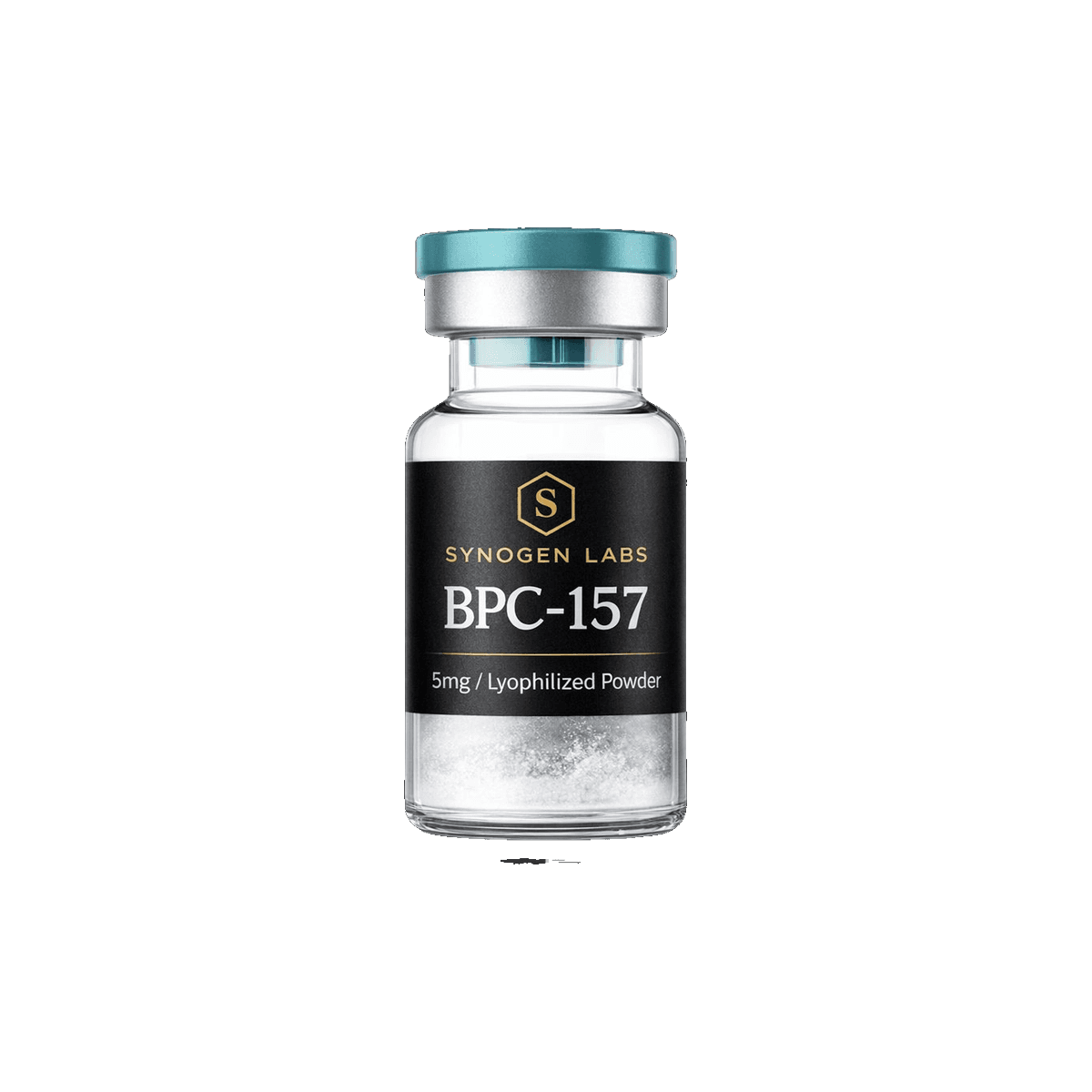
Pros and cons you should expect from “BPC 157 + TB” blend style products
Here’s a balanced view of the typical strengths and weaknesses I see around BPC 157 blends (including the “warrior labz bpc 157 review” discussions you mentioned).
| Factor | Potential Pros | Potential Cons |
|---|---|---|
| Dosing practicality | May simplify purchasing if you planned to use more than one peptide concept | Blends can blur which component drove the outcome |
| Interpretability of reviews | Some users report structured timelines and consistency | Many reviews are vague, missing baseline and measurement details |
| Quality documentation | Some sellers provide batch-related transparency and clearer handling guidance | If documentation is thin, results remain anecdotal |
| Handling requirements | Clear reconstitution steps can improve consistency | Unclear concentration/diluent guidance makes it easy to mis-dose |
| Setting expectations | Users may integrate it with rehab plans, rest, and training changes | Confounders often make it hard to credit one factor |
How to use reviews responsibly: the “evidence gradient” method
One thing I do with customers and team members is score reviews by “evidence quality,” not by how enthusiastic the language is. Here’s the simple evidence gradient I recommend:
- Level 1: Vague claim (“it worked great”).
- Level 2: Basic timeline and symptom description.
- Level 3: Includes dosing clarity, reconstitution consistency, and confounder notes.
- Level 4: Adds measurable or at least repeatable indicators (pain scale, range of motion changes, rehab milestones).
- Level 5: Mentions tolerability, what was changed if it didn’t work, and aligns with a coherent plan.
If you only read Level 1 reviews, your warrior labz bpc 157 review search results will feel exciting but won’t help you make a good decision. If you prioritize Levels 3–5, you’ll waste less time and money—and you’ll learn more from each attempt.
FAQ
What should I look for in a “warrior labz bpc 157 review” before buying?
Look for clear dosing math (especially around a 5mg BPC 157 listing), specific reconstitution guidance, any batch/quality transparency, and outcome reporting that includes baseline symptoms and a timeframe. Reviews without these details are hard to apply to your situation.
Does a BPC 157 + TB blend make results easier to predict?
Not necessarily. Blends can make purchasing easier, but they often reduce interpretability because improvements may come from more than one component. For best learning, you’d want structured tracking and clear dosing consistency.
Are “TB blend” reviews reliable for understanding what BPC 157 will do for me?
They can be helpful if the reviewer describes their use case, constraints, dosing clarity, and what changed over time. If the review is mostly hype or missing key details, treat it as entertainment—not a decision tool.
Conclusion: make your “Warrior Labz BPC 157 review” search actionable
A strong warrior labz bpc 157 review isn’t defined by how positive it sounds—it’s defined by whether it teaches you something you can reproduce: clear dosing math, practical handling guidance, and evidence that accounts for confounders. When I evaluate these products in real-world review workflows, the biggest wins come from prioritizing reviews that show their process, not just their conclusions.
Next step: Pick the top 3 reviews you find for the “BPC 157 (5mg) + TB” style listing and grade each one using the evidence gradient (Levels 1–5). Keep only the Level 3+ reviews, then compare how they calculated concentration and reported timelines.
Discussion