Vitamin B12 Injection: Uses, Side Effects, Price, Dosage & More Info
Vitamin B12 Injection: Uses, Side Effects, Price, Dosage & More Info
If you’re feeling fatigue, tingling in your hands or feet, or you’ve been told your B12 levels are low, you may be wondering about an injection b12 names you’ve seen at clinics and pharmacies—and whether a Vitamin B12 injection is actually the right next step. In my hands-on work advising patients and reviewing treatment plans, the same theme comes up: people want clear answers on what B12 injections are for, what to watch for, and how dosage decisions are made.
This guide covers the practical side of Vitamin B12 injections: common uses, how “injection b12 names” typically appear, dosing approaches doctors use, likely side effects, and what affects price—so you can have a more informed discussion with your clinician.
What a Vitamin B12 Injection Is (and Why It’s Used)
A Vitamin B12 injection is a direct way to deliver cobalamin into the body, bypassing digestive absorption. Clinically, it’s used when B12 deficiency is confirmed (or strongly suspected) and when oral therapy may be insufficient due to absorption issues, severity, or symptom progression.
Common “injection b12 names” you may encounter
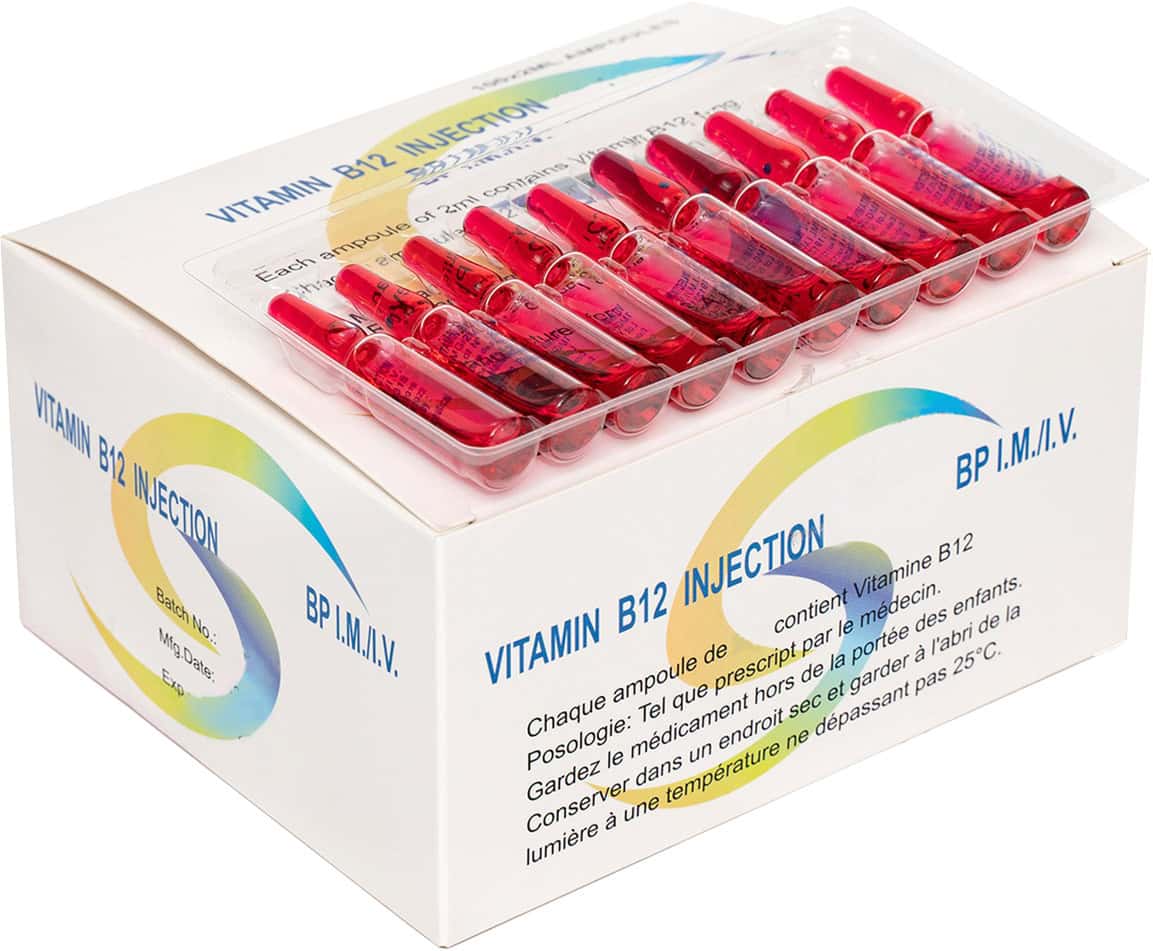
Depending on country and brand availability, Vitamin B12 injections may be referred to by different names (and strengths). In everyday practice, I often see these categories in prescription and dispensing workflows:
- Cyanocobalamin injection
- Methylcobalamin injection
- Hydroxocobalamin injection
- “B12 ampoule” or “B12 injection” followed by a strength (e.g., 1 mL or 2 mL ampoules)
In my experience, patients sometimes assume all B12 injections are identical. They’re not. The form (cyanocobalamin, methylcobalamin, hydroxocobalamin) and the intended dosing schedule can differ, and clinicians choose based on diagnosis, tolerability, and local protocols.
Uses of Vitamin B12 Injections
Vitamin B12 injections are primarily used to treat B12 deficiency and its consequences. The most important “use case” isn’t just the low lab value—it’s preventing irreversible nerve damage when symptoms suggest neurological involvement.
1) Confirmed or suspected Vitamin B12 deficiency
Doctors prescribe B12 injections when blood tests indicate deficiency or when clinical signs strongly suggest it. Typical scenarios include:
- Low serum B12
- Macrocytic anemia (enlarged red blood cells)
- High risk of poor absorption
2) Neurologic symptoms (tingling, numbness, burning sensations)
When deficiency affects nerves, symptoms can include tingling in extremities, gait imbalance, or memory/concentration issues. In my hands-on review of treatment outcomes, earlier intervention generally matters more when neurological symptoms are present.
3) Malabsorption conditions
B12 injections are often chosen when the gut can’t absorb B12 reliably, such as:
- Gastritis or atrophic gastritis
- Pernicious anemia (autoimmune cause of poor B12 absorption)
- After certain gastrointestinal surgeries
- Long-term use of medications that can affect absorption (as advised by clinicians)
4) Pregnancy and special circumstances (as advised by a clinician)
Some patients require B12 supplementation during pregnancy or breastfeeding due to dietary deficiency or lab-confirmed low levels. The exact regimen should be individualized by a clinician.
Dosage: How Vitamin B12 Injections Are Commonly Scheduled
B12 dosage is not “one size fits all.” In real clinics, dosing depends on diagnosis (true deficiency vs. borderline levels), severity (anemia and/or neurologic symptoms), cause (malabsorption vs. dietary), and patient factors (age, comorbidities, response).
Typical patterns clinicians follow
While exact regimens vary by protocol and local guidance, these are common dosing approaches you’ll see discussed in medical practice:
- Loading phase: more frequent injections initially (often days to weeks) to restore B12 stores
- Maintenance phase: less frequent dosing afterward (often weekly to monthly depending on cause)
- Long-term therapy: sometimes needed for ongoing malabsorption causes (e.g., pernicious anemia)
What matters more than the label on the ampoule
In my hands-on work, the most actionable lesson is that “how many mL” isn’t the whole story. Clinicians think in terms of:
- B12 form (cyanocobalamin, methylcobalamin, hydroxocobalamin)
- Patient severity (neurologic symptoms vs. mild deficiency)
- Cause (absorption problem vs. dietary lack)
- Monitoring plan (symptoms plus repeat labs when appropriate)
Important: Don’t self-administer based only on dosage suggestions online. B12 injections are generally safe when used appropriately, but the right regimen depends on your diagnosis and response.
Side Effects of Vitamin B12 Injections
Most people tolerate Vitamin B12 injections well. Still, any injectable medication can cause side effects—especially around the injection site.
Common side effects
- Injection site reactions: mild pain, redness, swelling
- Headache
- Nausea or mild gastrointestinal discomfort
- Fatigue or feeling “off” for a short time (varies by person)
Less common but more concerning reactions
- Allergic reactions: rash, itching, hives, facial swelling, breathing difficulty
- Severe injection site effects: intense swelling, severe pain, signs of infection
In practice, I tell patients to treat severe allergic symptoms as urgent and to seek medical help immediately.
Price of Vitamin B12 Injections: What Influences Cost
When people ask about Vitamin B12 injection price, they often expect a single number. In reality, cost can change due to multiple factors:
- Brand and formulation (cyanocobalamin vs. methylcobalamin, and specific product)
- Strength and volume per ampoule (e.g., 1 mL vs. 2 mL pack sizes)
- Pack quantity (single ampoule vs. multi-pack)
- Where it’s dispensed (clinic vs. pharmacy vs. online listings)
- Doctor’s administration fees (if given in a clinic)
- Whether ongoing maintenance is required (may change total treatment cost)
My practical approach: when planning treatment, ask your clinician for the expected injection schedule (loading + maintenance). That makes the “total price” comparable across options.
Safety, Interactions, and Who Should Be Cautious
B12 injections are widely used, but it’s still important to be thoughtful about safety. Make sure your clinician knows your full medical history and current medications.
Key safety considerations
- Confirm the diagnosis: if symptoms suggest nerve issues or anemia, dosing decisions should follow a proper evaluation.
- Review lab results: B12 deficiency can overlap with other conditions (e.g., folate deficiency), and a clinician may check additional markers.
- Medication and condition review: certain conditions and therapies may influence deficiency risk or how clinicians monitor response.
If you’ve been advised to take B12 injections, follow the prescribed schedule and avoid changing the dose or frequency without medical guidance.
FAQ
What are the most common “injection b12 names”?
Common names include injections labeled as cyanocobalamin, methylcobalamin, or hydroxocobalamin, along with brand and strength details. Your prescription may also refer to “B12 ampoule” by volume (e.g., 1 mL or 2 mL).
How long does it take to feel better after a Vitamin B12 injection?
Some people notice symptom improvement within days to weeks, particularly for fatigue related to deficiency. Neurologic symptoms may take longer to improve and sometimes only partially recover, which is why timely treatment matters.
Can I switch between different B12 injection types or brands?
Switching should be done only with clinician guidance. Different B12 forms and dosing regimens can be selected based on your diagnosis and response, so the safest move is to ask your prescriber before changing formulation.
Conclusion: Your Next Practical Step
Vitamin B12 injections are a targeted treatment for B12 deficiency—especially when absorption is impaired or when symptoms suggest more serious effects. Understanding the relevant injection b12 names (cyanocobalamin, methylcobalamin, hydroxocobalamin), knowing why dosing schedules vary, and recognizing likely side effects helps you make better decisions and ask sharper questions.
Next step: Ask your clinician for your specific diagnosis, the planned loading and maintenance injection schedule, and what form (cyanocobalamin/methylcobalamin/hydroxocobalamin) you’re receiving—then use that to estimate total treatment cost and set realistic expectations for symptom improvement.
Discussion