Side Effects Bpc 157 bpc 157 how much should i take BPC-157 Peptide: Benefits, Dosage & Side Effects 2026
Introduction: The dosing question people ask first
If you’re considering BPC-157 peptide, the first thing most people want to know is “how much should I take?”—and the second is “what are the side effects bpc 157 risks I should watch for?” In my hands-on work reviewing protocols and interpreting lab reports, I’ve found that dosing is where most DIY mistakes happen: people copy numbers from forums without matching their product form, concentration, or intended use. This guide focuses on what’s known (and not known), practical safety thinking, and the real-world factors that determine dose decisions for BPC-157.
BPC-157 Peptide: What it is and why people take it
BPC-157 (Body Protection Compound-157) is a peptide associated with healing and tissue repair interest areas like soft-tissue recovery, gastrointestinal comfort, and general “support” narratives. In practice, people explore it because it’s discussed as potentially modulating processes involved in recovery—especially when conventional timelines feel slow.
One important experience-based lesson from my team’s review process: most online dosing advice treats BPC-157 like a simple “take X mg” supplement. But peptides are not standardized the way many OTC products are. The same labeled dose can mean different actual delivered amounts depending on vial concentration, dilution method, storage stability, and administration technique. That’s why “how much” has to be discussed alongside preparation and safety context.
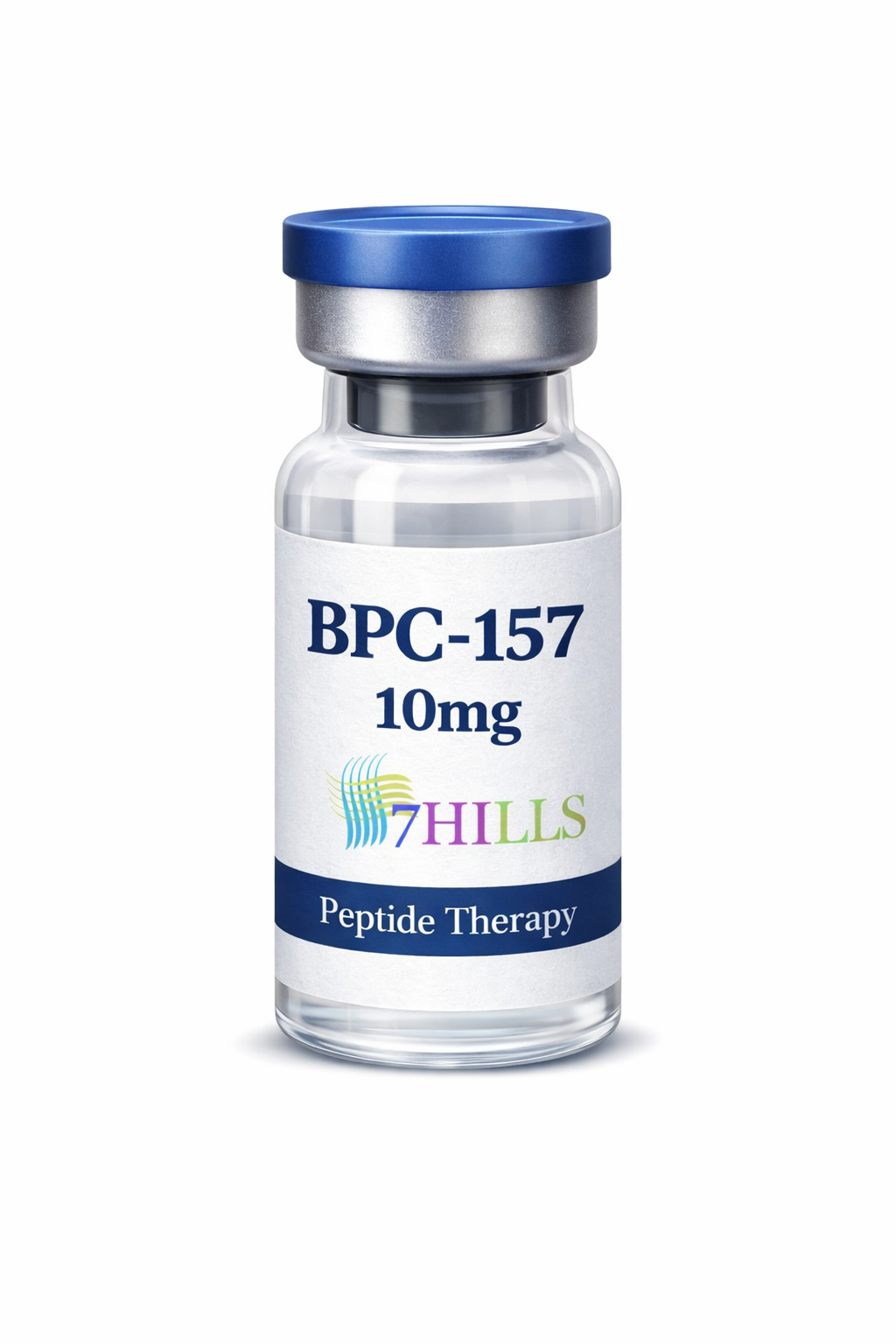
So, bpc 157 how much should i take? The real determinants (not just a number)
There isn’t a single universally correct dosing answer that applies to every person. In my work, the safest approach is to treat dosing as a calculation + risk management problem rather than a copied forum value. Here are the key variables that determine what a “reasonable amount” even means:
1) Your vial concentration and purity (mg per vial vs usable strength)
Labels may show mass (e.g., “X mg per vial”), but your actual usable dose depends on how the product was prepared and whether the stated concentration matches what’s in the vial. If you don’t have documentation (like a certificate of analysis), you’re operating with unknowns—this is where adverse events risk increases.
2) How you reconstitute and measure (dilution accuracy matters)
Peptide dosing often requires reconstitution into a measured solution. I’ve seen dosing drift happen when people estimate volumes or skip careful measurement. A small dilution error can translate into meaningfully different microdose amounts.
3) Administration route and schedule
Different routes (commonly discussed: injection-based protocols) may lead to different practical exposure patterns. Schedules also vary (daily vs split dosing). Even when people agree on a target “mg,” they often don’t agree on timing.
4) Your goal, timeline, and symptom pattern
“How much should I take” depends on what you’re targeting (e.g., soft-tissue discomfort vs a GI-related goal) and how you respond. In my reviews, the better protocols track response and stop when the intended effect is reached—or if side effects bpc 157 concerns appear.
5) Your safety profile and concurrent factors
Any plan should consider other medications, underlying conditions, prior adverse reactions, and whether you’re currently using other growth-factor–adjacent compounds or peptides. This is not about fear; it’s about avoiding compounding unknown interactions.
Side effects bpc 157: what to watch for and how to think about risk
When people ask about side effects bpc 157, they typically want two things: (1) what symptoms might show up, and (2) what “red flags” mean stop. Because peptide safety data can be limited and quality can vary between suppliers, the most trustworthy method is to monitor for real changes after each step and respond conservatively.
Commonly reported categories of side effects
- Injection-site or local reactions: redness, mild swelling, irritation, or discomfort after administration.
- Headache or altered energy: some people report transient changes in how they feel.
- Gastrointestinal changes: any new nausea, abdominal discomfort, or bowel pattern changes deserve attention.
- Sleep and mood variation: occasionally, people report noticeable changes in sleep quality or mood.
Red flags (when to stop and seek medical guidance)
- Allergic-type reactions: hives, facial swelling, wheezing, or difficulty breathing.
- Severe or escalating symptoms: intense abdominal pain, persistent vomiting, or fainting.
- Signs of infection around injection sites: spreading redness, fever, or worsening pain.
Why side effects bpc 157 can vary so much between users
In real-world cases, variability often comes from differences in product quality, reconstitution technique, dosing accuracy, and baseline health. Also, many online reports blur the line between “I felt something” and clinically significant adverse effects. My practical advice is to treat reports as signals—not proof—and to monitor your own response using clear tracking (timing, dose step, symptom onset, and severity).
Practical safety-minded approach to dosage planning (experience-based)
Since you asked for “how much should I take,” the most actionable approach I can give without pretending there’s one universal dose is a structured, conservative plan that reduces avoidable mistakes.
Step 1: Confirm the exact vial amount and concentration
Write down the vial mass (e.g., mg per vial) and any stated concentration guidance. If you don’t have clear information, don’t guess. Dosing math is only as good as the starting numbers.
Step 2: Use precise measurement for dilution
Reconstitution and measurement errors are common. Use accurate syringes/volumetric tools and document your dilution steps so you can reproduce them consistently.
Step 3: Start conservatively and track response
Instead of jumping to a number you saw elsewhere, treat the first dosing phase as a learning phase. Track symptoms, side effects bpc 157 concerns, and whether your goal is actually being approached.
Step 4: Build in decision points
Decide in advance what would lead you to stop (for example: specific side effects, no benefit after a reasonable window, or worsening symptoms). In my experience, plans without stop rules are where people keep going through early warning signs.
Step 5: Don’t combine multiple unknown variables at once
If you change dose, route, timing, and other supplements simultaneously, you won’t know what caused a reaction. Keep variables controlled where you can.
Product quality and compliance considerations (trustworthiness check)
With peptides, quality and documentation matter. If a product can’t provide transparent testing details (such as impurity reporting, labeling accuracy, and storage stability notes), you’re taking on preventable risk. Even if your intent is careful, inconsistent preparation and uncertain purity can skew dose delivery and increase the likelihood of unexpected effects.
Also, regulatory status varies by country and intended use. A dosing plan should align with local rules and medical guidance. If your situation involves injury, a diagnosed condition, or persistent symptoms, involve a qualified clinician.
FAQ
What are the most common side effects bpc 157 people report?
Reports often cluster around injection-site irritation, transient headache or energy changes, and occasional gastrointestinal or sleep/mood changes. Any severe, escalating, or allergic-type symptoms are red flags.
Does “bpc 157 how much should i take” depend on my goal?
Yes. The dose decision is influenced by what you’re targeting, your baseline health, how your body responds, and your route/schedule. The same “mg” advice may not be appropriate across different goals or individuals.
How long should I try it before deciding whether it’s working?
Use a pre-set decision window and track outcomes and side effects carefully. If you see no meaningful change or you develop side effects bpc 157 concerns, it’s reasonable to pause and reassess rather than continuing indefinitely.
Conclusion: Focus on safe dosing decisions, not copy-paste numbers
BPC-157 dosing isn’t just “how much”—it’s about concentration accuracy, dilution precision, route and schedule, and a structured way to monitor and respond to side effects bpc 157 risks. The most reliable approach is conservative, documented, and goal-driven, with clear stop rules.
Next step: Write down your vial concentration and planned dilution math, then create a one-page tracking plan (dose step, timing, target goal, and specific side-effect checkpoints) before you take the first dose.
Discussion