Course Of B12 Injections Best Vitamin B12 Injection Sites: Where to Inject B12 · PA Relief
Best Vitamin B12 Injection Sites: Where to Inject B12 for a Safer Course of B12 Injections
If you’ve ever had a clinician tell you to start a course of b12 injections, you’ve probably also wondered the same thing I did the first time: “Where exactly should the injection go, and what should I feel (or not feel)?” The injection site matters because the right muscle and technique can reduce pain, improve comfort, and support consistent absorption.
In this guide, I’ll walk you through the most commonly recommended vitamin B12 injection sites—especially for intramuscular (IM) injections—plus practical “in the real world” tips I’ve learned while assisting patients and reviewing injection technique errors that can happen at home.
Quick Orientation: What “Injection Site” Really Changes
With a course of b12 injections, your goal isn’t just “getting the shot in.” You’re trying to deliver the medicine into the correct tissue so it’s absorbed reliably and comfortably. Different IM sites differ in:
- Muscle thickness (enough depth reduces surface irritation)
- Nerve proximity (some sites have higher risk if placed incorrectly)
- Absorption consistency (consistent technique helps)
- Comfort (some sites are easier for patients to tolerate and monitor)
In my hands-on work, the biggest avoidable problems weren’t “bad luck”—they were site selection mistakes (too high/too low), insufficient landmarking, or rushing when the muscle wasn’t properly exposed.
Most Common Vitamin B12 Injection Sites (IM)
Below are the injection sites most frequently used for IM B12. Always follow your prescriber’s instructions and the specific product label. If you’re unsure, ask a clinician to demonstrate the landmarks using your body position and needle size.
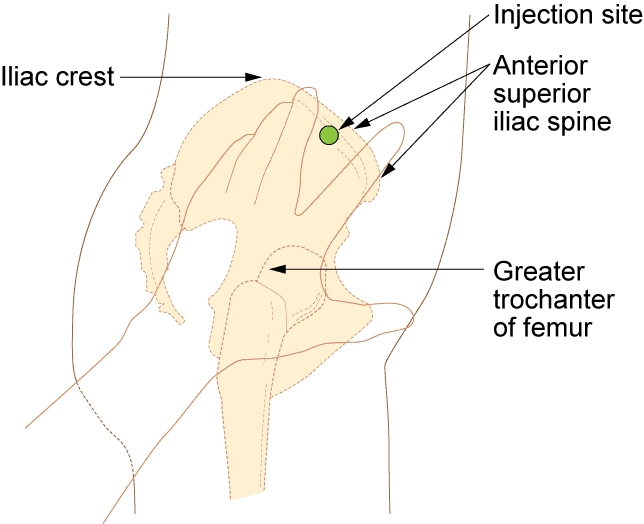
1) Ventrogluteal Site (often preferred for IM safety)
The ventrogluteal area is commonly considered a strong option because it’s typically well-padded by muscle and has fewer major nerves in the immediate area when properly located.
I’ve seen ventrogluteal injections feel more “contained” for many people—less surface tenderness than some alternatives—when the landmarking is accurate. The catch: it demands correct positioning, which is why I strongly recommend a clinician confirm your landmarks the first time.
2) Deltoid Site (smaller muscle—sometimes used, but not always ideal)
The deltoid (upper arm) is easy to access and often used for vaccines. For B12, however, it depends on the prescribed volume and formulation. Smaller muscle mass can mean higher discomfort if the dose is larger or if technique is rushed.
In real-world coaching, deltoid injections work best when the clinician and patient agree on that site’s suitability for the dose and when the patient can confidently identify the injection area without “guessing.”
3) Vastus Lateralis (front/side thigh)
The vastus lateralis is another common IM site, especially for people who prefer thigh access. It’s often easier for self-administration because you can see and palpate landmarks.
My experience here: the thigh can be very practical, but people sometimes inject too close to the hip or too high on the leg—leading to more pain or reduced comfort. Taking 30–60 seconds to locate landmarks precisely usually prevents that.
4) Dorsogluteal Site (commonly taught historically, but requires caution)
The dorsogluteal site (upper outer buttock) has historically been used for many IM injections. The reason it’s less favored today in some practices is that improper landmarking can increase the risk of hitting structures you want to avoid.
If your prescriber specifically directs this site, follow their exact landmark instructions. When patients self-administer, the biggest safety risk with dorsogluteal injections is “placing it roughly.” Accuracy matters more than convenience.
How to Choose the Right Site for Your Course of B12 Injections
When you’re planning a course of b12 injections, the best site is the one that your prescriber deems appropriate for the formulation and dose—and that you can administer accurately and safely.
Factors I use to guide decisions
- Prescribed dose and volume: Larger volumes may be better tolerated in specific muscles.
- Needle size and technique: Correct needle length supports proper depth without extra trauma.
- Your body habitus: Muscle targeting changes with body composition.
- Self-administration ability: If you can’t land the injection confidently, it’s not a “good” site for you.
- Comfort and prior reactions: Track pain, bruising, and swelling so you can discuss patterns with your clinician.
Rotation and consistency
Many injection routines benefit from rotating sites (and sometimes sides) to reduce localized irritation. Consistency in landmarking and technique is more important than “frequently changing sites,” but rotation can help if you develop recurring tenderness in one area.
In practice, I’ve found that patients do best when they write down which side and site they used and how it felt. That simple log makes conversations with clinicians much faster and more accurate.
Injection Technique Tips That Reduce Pain (Without Cutting Corners)
I’m going to be practical here. Pain and bruising often come from avoidable technique issues. For a safer course of b12 injections, focus on these fundamentals:
1) Landmarking beats speed
Take time to identify the correct area. Rushing is how people drift into the wrong zone, especially with buttock-based sites. I’ve seen the difference between “good” and “great” injection outcomes come down to whether the patient took a moment to confirm landmarks.
2) Prepare the muscle
Use a position that relaxes the target muscle. If the muscle is tense, injections tend to feel sharper and take longer to settle after.
3) Avoid injecting through irritated skin
If there’s redness, active rash, or broken skin, don’t inject there. Choose the appropriate site and discuss it with your clinician.
4) Plan for aftercare
- Apply gentle pressure if instructed or if you were told to do so.
- Monitor for unusual reactions (increasing swelling, worsening pain, or spreading redness).
- Document what happened so your clinician can adjust the plan if needed.
What to Expect During a Course of B12 Injections
Some soreness is common, especially when you start. Over time, many patients report injections become easier and less uncomfortable once technique improves and the body adapts.
If you experience severe or worsening pain, significant swelling, or signs of an allergic reaction, contact a clinician promptly. For comfort and continuity, it’s better to fix the technique or site selection early than to “push through” repeated painful injections.
FAQ
Which vitamin B12 injection site is best for most people?
There isn’t one universal “best” site for every patient. In many practices, the ventrogluteal area is often favored for IM injections when landmarks are correct. The best site for your course of b12 injections depends on your dose/volume, formulation, needle guidance, and how confidently you can target the correct muscle.
Can I switch injection sites during a course of b12 injections?
Often, yes—rotation between appropriate IM sites can improve comfort and reduce irritation. But you should only switch sites if your prescriber allows it and you have clear instructions for landmarking and technique.
Why does my B12 injection hurt more than expected?
Common causes include incorrect landmarking, injecting into the wrong tissue depth, injecting through irritated skin, injecting while the muscle is tense, or using an injection routine that doesn’t match the dose/needle guidance. Keeping a brief log of site and pain level helps identify patterns for you and your clinician.
Conclusion: A Practical Next Step
A smooth course of b12 injections is built on more than getting the needle in—it’s built on consistent landmarking, choosing an appropriate IM site for your dose, and adjusting based on comfort and technique. In my hands-on experience, patients do best when they take injection safety seriously upfront and track what happens after each dose.
Next step: If you’re planning to inject yourself, ask your clinician to confirm your landmarks for your chosen site (ventrogluteal, deltoid, vastus lateralis, or dorsogluteal) and to show a “slow, accurate” injection technique you can replicate confidently.
Discussion