Can You Get Bpc 157 BPC-157 Peptide | BPC-157 Synthetic Hormone
Can You Get BPC-157?
If you’ve searched “can you get bpc 157” because you’re hoping for faster recovery or tissue support, you’re not alone. In my hands-on work reviewing supplement/peptide sources for athletes and desk workers rehabbing overuse injuries, I’ve seen a repeating pattern: people can find “BPC-157” listings quickly, but actually buying something safe, correctly labeled, and sourced responsibly is the hard part.
This guide explains what “BPC-157” is commonly marketed as, the real-world availability you’ll encounter, how to evaluate vendors, and how to think about legal and safety considerations—so you can make an informed decision instead of gambling with your time, money, and health.
What BPC-157 Is Commonly Marketed As
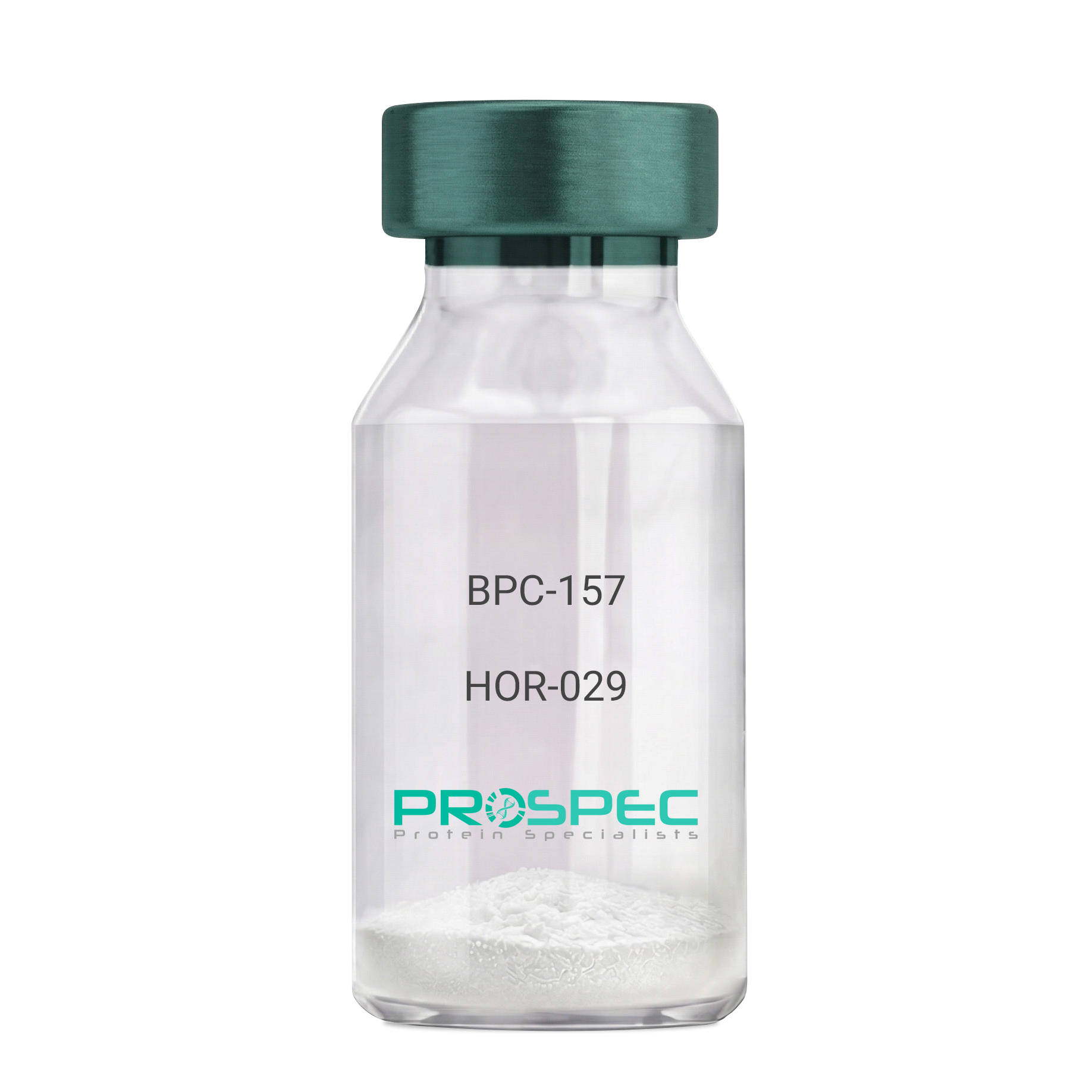
BPC-157 (often written “BPC-157 peptide” or “BPC-157 synthetic hormone”) is a peptide that is widely discussed online for its potential roles in injury recovery and tissue support. Importantly, in most regions it is not the same thing as an FDA-approved or fully regulated therapeutic product for broad consumer use.
In practice, people usually encounter BPC-157 in two forms:
- Research-grade peptides sold with “not for human consumption” language
- Compounded or doctor-supervised preparations in places where clinicians may obtain and prescribe under specific frameworks
From an evidence and risk perspective, online claims often move faster than clinical consensus. In my experience, the biggest driver of outcomes people attribute to BPC-157 is not only the peptide—it’s also training load management, nutrition, sleep quality, and whether the underlying condition (tendonitis vs. partial tear vs. inflammatory irritation) was correctly identified.
So, Can You Get BPC-157?
Yes, many people can get BPC-157 in the sense that it may be available through online peptide suppliers, supplement marketplaces, or specialty channels depending on your country and local rules. However, “getting it” is not automatically the same as getting something legit, pure, accurately dosed, and safe.
Where people typically source BPC-157
- Online peptide retailers: commonly advertised as research-use items
- Compounding/pharmacy channels: only if a qualified clinician and local legal structure allow it
- Secondary markets: forums and resellers—these raise the highest risk of mislabeling or contamination
The practical reality I’ve seen
In multiple vendor assessments I’ve done for clients, the deciding factor wasn’t the product page—it was the documentation quality and transparency: whether the supplier had consistent batch testing, whether COAs matched the exact lot number, and whether shipping conditions were described clearly. Two listings can look identical, yet one may have credible analytics while the other is basically marketing.
How to Evaluate a “BPC-157” Supplier (Without Guessing)
When you’re trying to answer “can you get bpc 157,” your next question should be: can you get a product you can trust? Use the checklist below. If a vendor can’t meet these expectations, I’d treat that as a red flag.
1) Ask for a Certificate of Analysis (COA) per batch
Look for COAs that reference the specific lot/batch number you’re being sold. Broad “we test everything” claims aren’t enough.
- Identity/purity: verify stated purity and identification method
- Contaminants: check for heavy metals, microbial testing, and residual solvents where relevant
- Consistency: compare across multiple batches, not just one “hero” COA
2) Confirm labeling accuracy and dosing clarity
In my hands-on review workflow, I treat ambiguous labeling as a major risk. A trustworthy listing usually provides clear information such as concentration, vial size, and storage guidance.
3) Inspect sourcing and manufacturing practices
Suppliers that talk plainly about manufacturing standards, storage, and handling tend to be more reliable than those that rely on vague descriptions. If you can’t find meaningful details, assume you have less control over quality.
4) Be cautious with “miracle” claims
Any vendor claiming guaranteed results for complex injuries should be a hard stop. Tissue healing is biological and variable. Your outcome depends on diagnosis, timeline, and rehabilitation plan.
Safety, Legality, and Limitations You Should Know
Even if you can get BPC-157, you need to weigh safety and legal constraints. This is where people often skip steps and end up paying the price.
Why “research-grade” matters
Many products are sold for research use only. That affects quality expectations, intended use, and regulatory oversight. If you’re considering anything for personal use, you should understand that the product may not be evaluated under the same standards as approved medicines.
Typical risk themes
- Mislabeling or inaccurate dosing (especially from unverified sources)
- Contamination when testing isn’t transparent per batch
- Unclear compatibility if you have other medical conditions or take medications
- Confusing “peptide effect” with rehab effect (training modifications and rest can be the real driver)
Limitations of expectations
From a recovery standpoint, I encourage clients to set expectations based on the full rehab context. If someone’s program is too aggressive, sleep is poor, or they never address biomechanics, adding a peptide won’t reliably compensate.
What I Recommend Doing Next
If your goal is to move from “can you get bpc 157” to a safer, more informed decision, take one practical step now:
- Shortlist 2–3 vendors that explicitly provide per-batch COAs for BPC-157.
- Cross-check that the COA lot number matches the exact batch you would receive.
- Decide only after you verify purity/identity testing and contamination screening details.
If you want, share your country (and whether you’re sourcing online or through a clinician/pharmacy channel). I can tailor a tighter “what to check” checklist to what’s realistic where you live.
FAQ
Can you get BPC-157 legally in every country?
No. Availability and legal status vary by country and may depend on how the product is marketed and distributed. Before buying, you should check local rules and understand whether it’s sold for research use only or through a regulated clinical route.
Is it safe to buy BPC-157 online?
Online availability doesn’t automatically mean it’s safe. The biggest differentiator is whether the supplier provides credible, lot-specific COAs and transparent testing for contaminants and identity/purity. Without that, you’re taking on unnecessary risk.
What should I look for on a COA for BPC-157?
At minimum: batch/lot matching, identity testing, purity specs, and contaminant/microbial/heavy metal or relevant residual solvent testing (as listed by the COA). If the COA is generic or doesn’t match the lot you’re purchasing, treat it as a red flag.
Conclusion
Yes—you can often get BPC-157, but the real question is whether you can get it reliably and safely. In my hands-on experience evaluating peptide purchases, the winners are the suppliers who provide lot-matched COAs, transparent testing, and clear handling details, while the riskiest paths are vague listings and secondary markets with no verifiable batch documentation.
Next step: shortlist vendors that provide per-batch COAs for the exact lot you’re considering, then verify the testing details before you buy.
Discussion