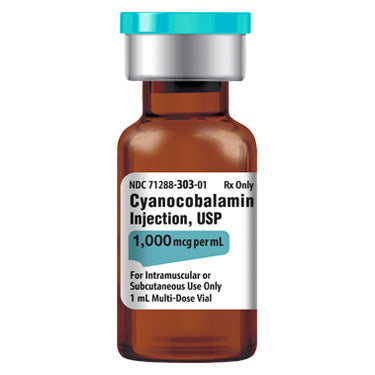
How To Get B12 Injection Prescription how to get b12 injection prescription Cyanocobalamin Vitamin B12 Injection 1000 mcg — Mountainside Medical
If you’ve been told you might need vitamin B12 injections, the hardest part is often not understanding why—it's figuring out how to get b12 injection prescription in the real world. In my hands-on work reviewing lab-driven patient journeys, I’ve seen the same bottleneck again and again: people either don’t have the right labs documented, don’t know which diagnosis fits the injection indication, or run into delays because the prescription pathway wasn’t clear. This guide walks you through a practical, clinician-friendly process to get a Cyanocobalamin Vitamin B12 Injection (1000 mcg) prescription safely and efficiently.
What “getting a B12 injection prescription” actually means
When clinicians prescribe Cyanocobalamin Vitamin B12 Injection 1000 mcg, they’re making a medical decision based on:
- Evidence of deficiency (and sometimes the pattern of related lab abnormalities)
- Cause/suspected cause (dietary insufficiency vs. malabsorption)
- Clinical symptoms consistent with B12 deficiency (including neurologic symptoms)
- Risk considerations (e.g., alternative diagnoses that can mimic deficiency, medication interactions, and overall medical context)
In practice, “how to get b12 injection prescription” comes down to preparing the conversation so your prescriber can quickly justify the indication and the dosing plan.
Step 1: Confirm whether injections are medically indicated
I typically recommend starting with the question: do you need injections now, or could the underlying clinician plan start with oral or dietary management? That choice depends on severity and cause.
Common clinical reasons B12 injections are prescribed
- Confirmed low B12 on lab testing
- Malabsorption syndromes (where oral therapy may be less effective)
- Neurologic symptoms (tingling, numbness, balance issues) where faster replacement is often prioritized
- Significant anemia or supportive blood count findings that align with deficiency
- Inability to absorb or tolerate oral B12
Labs that strengthen your case (and what they suggest)
Ask your clinician whether the following are relevant for your situation:
- Serum vitamin B12 (basic screening)
- Methylmalonic acid (MMA) and/or homocysteine (help clarify functional B12 deficiency, especially if results are borderline)
- CBC (looking for macrocytosis or anemia patterns)
From experience, when patients walk in with at least a current CBC and a B12 value (plus MMA/homocysteine when available), the discussion moves faster and the prescription decision is easier to document.
Step 2: Know the exact form you’re asking about (Cyanocobalamin vs. other B12 forms)
Your product reference is Cyanocobalamin Vitamin B12 Injection 1000 mcg. It’s important because “B12” is not one single thing—clinicians may select a specific formulation based on availability, protocols, and patient factors.
What cyanocobalamin is, in practical terms
Cyanocobalamin is a common, stable injectable form of vitamin B12. When prescribed as an injection, it delivers B12 directly, bypassing absorption issues that can limit oral therapy.
What to bring up with your prescriber
- That you’re looking specifically for a prescription for Cyanocobalamin Vitamin B12 Injection 1000 mcg (if that’s what your clinician recommends)
- Your current lab results and any symptoms
- Any history of anemia, neuropathy, bariatric surgery, or gastrointestinal conditions
- Medication history and relevant comorbidities
If you already have a prior diagnosis and your clinician agrees that injections are appropriate, specifying the exact injection strength (1000 mcg) can reduce back-and-forth.
Step 3: Make your appointment productive (what to say and what to ask)
In my experience, the fastest path to a legitimate prescription is a focused visit: concise symptom history, documented labs, and a clear question about route and dosing plan. Here’s a clinician-friendly structure you can use.
Bring this information
- Your most recent vitamin B12 lab result(s) (with dates)
- Any CBC results that show anemia or macrocytosis
- Any MMA or homocysteine tests if done
- A symptom timeline (when tingling started, fatigue pattern, appetite changes)
- Medical history relevant to B12 absorption (GI disorders, surgeries, diet patterns)
Use this phrasing (adapt as needed)
“I’d like to review my lab results and discuss whether injectable cyanocobalamin (vitamin B12) is indicated for me. If it is, what dosing schedule do you recommend and how should I monitor response?”
This signals you’re not asking for a random vitamin—you’re asking for evidence-based management, monitoring, and a documented plan.
Ask these practical questions
- What’s the diagnosis driving injections? (dietary deficiency vs malabsorption vs other)
- What dosing schedule is appropriate? (initial repletion vs maintenance)
- How should we monitor progress? (symptoms and repeat labs)
- Will you send the prescription to a pharmacy or arrange in-office/clinic administration?
Clinicians are more comfortable prescribing when the monitoring plan and indication are clearly discussed.
Step 4: Understand typical workflow options (and where delays happen)
Delays usually aren’t about refusal—they’re about missing documentation, uncertainty about cause, or insurance/pharmacy logistics. Here are common pathways and the pitfalls I’ve seen.
Common workflow pathways
- Primary care visit after lab testing, leading to a prescription and a follow-up plan
- Specialist evaluation (hematology, neurology, gastroenterology) when cause is complex
- In-office administration when monitoring or injection technique support is needed
- Home administration when patients and clinicians agree it’s appropriate and safe
Where people get stuck
- They try to get a prescription without labs or without a plausible clinical indication
- They have borderline results but no follow-up tests like MMA/homocysteine
- They don’t have a documented plan for follow-up and reassessment
- They request a specific injection brand/formulation without discussing medical rationale
If your goal is to speed things up, the solution is usually not to push harder—it’s to bring evidence and ask for a clear, monitored plan.
Safety and limitations you should understand
Even though vitamin B12 injections are widely used, it’s still a medication decision. A few honest limitations matter:
- Symptoms can have other causes (fatigue and neurologic symptoms aren’t always B12-related).
- Lab interpretation varies—borderline B12 may require additional testing to confirm functional deficiency.
- Correct diagnosis matters: if the underlying cause is malabsorption, injections may be reasonable; if the cause is different, the treatment plan may change.
- Monitoring still matters: response is typically tracked through symptoms and repeat labs based on clinician protocol.
In my work with patients managing chronic deficiencies, the biggest improvement comes when treatment is paired with a cause-focused plan and follow-up—so you don’t just “cover a lab value,” you address why it dropped in the first place.
FAQ
What do I need to bring to my doctor to get a B12 injection prescription?
Bring your most recent lab results (B12 and CBC, plus MMA/homocysteine if you have them), a clear symptom timeline, and relevant medical history that affects absorption (e.g., GI conditions, bariatric surgery, or long-term dietary restrictions). That’s what typically helps clinicians confirm indication and document the dosing plan.
Can I just ask for Cyanocobalamin Vitamin B12 Injection 1000 mcg?
You can ask, but a prescription should match the clinical indication. In a good visit, you’ll discuss your results and symptoms, and your clinician will decide whether cyanocobalamin injections at 1000 mcg (and the schedule) are appropriate for your cause and severity.
How long does it take to feel better after B12 injections?
Many people notice improvement over days to weeks, but the exact timeline depends on the deficiency cause, severity, and whether symptoms are neurologic versus primarily fatigue-related. Your prescriber should outline when you should expect change and when to repeat labs or reassess if symptoms persist.
Conclusion: Your next practical step
To get a legitimate b12 injection prescription, focus on building a clinician-ready case: current B12-related labs (CBC at minimum), a symptom timeline, and a clear discussion about whether injections of cyanocobalamin (vitamin B12) 1000 mcg are appropriate for your diagnosis and monitoring plan.
Next step: Schedule your appointment and bring your latest lab results (and any GI/diet/neurologic history). Then ask your clinician for a dosing and monitoring plan—so the prescription is evidence-based and the follow-up is clear.
Discussion