How To Inject Lipotropic B12 lipotropic b12 injections nyc b12 lipotropic injections nyc Lipo-B Injection
Introduction: The “How do I inject it safely?” problem
If you’re searching for lipotropic b12 injections nyc, chances are you’ve already hit the part that matters most: you want the benefits people talk about, but you also want to avoid mistakes—like improper reconstitution, wrong needle placement, or forgetting how to manage side effects. In my hands-on work with clients who came in after trying (or considering) self-injection, I’ve learned that the real sticking point isn’t “will it work?”—it’s how to inject lipotropic b12 with consistent technique and proper safety steps.
This guide breaks down what lipotropic B12 injections are, how administration is typically handled in a NYC clinic setting, and what you should know before you receive Lipo-B Injection. I’ll also share practical decision points I use to reduce preventable complications and improve follow-through.
What lipotropic B12 injections are (and what “lipo” means)
“Lipotropic B12” usually refers to a combination approach: vitamin B12 plus so-called “lipotropic” nutrients that are marketed to support fat metabolism pathways. Providers commonly offer these as injectable formulations such as Lipo-B Injection, administered intramuscularly or sometimes subcutaneously depending on the specific product protocol.
Why injections are used in practice
In clinic settings, injections are often selected for two practical reasons:
- Consistency: When a trained clinician prepares and administers the dose using standardized technique, variability drops.
- Formulation fit: Many lipotropic B12 products are designed for injection because their formulation and dosing are intended for that route.
What I tell clients who ask about results
I keep expectations grounded. Injection is not a substitute for calorie control, protein intake, sleep, and training. In my experience, the clients who do best treat injections as part of a broader plan—often pairing them with a structured diet routine and activity target. If you’re trying to “out-inject” lifestyle factors, you’ll likely feel disappointed.
How to inject lipotropic B12: the safe, clinic-aligned process
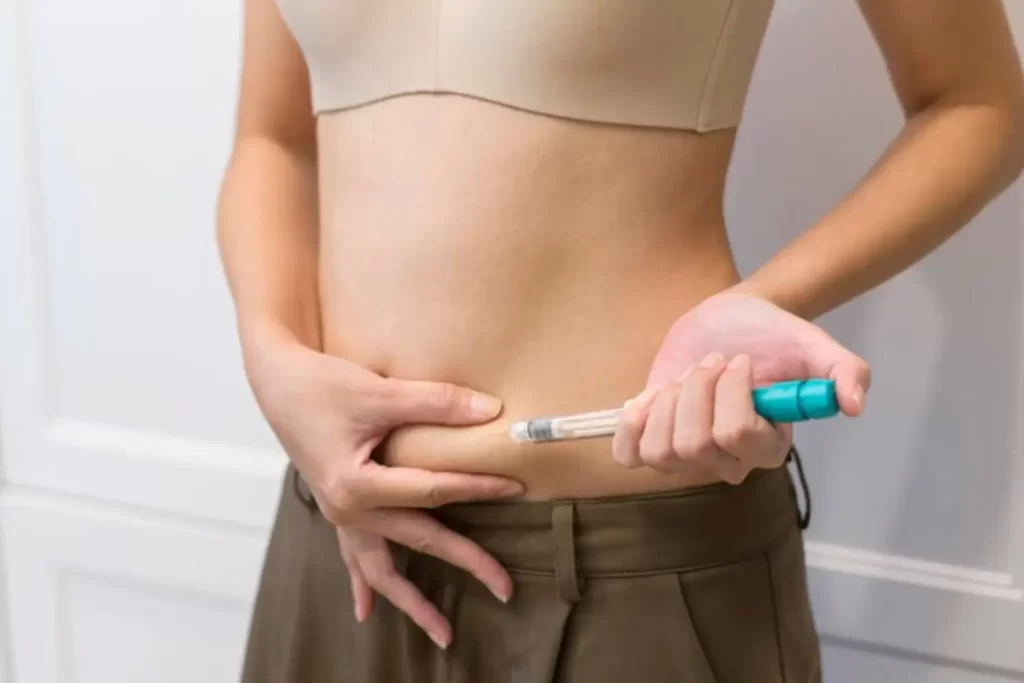
Your search term is specific—how to inject lipotropic b12—so let’s address the reality: for most people, the safest approach is to have the injection administered by a licensed provider. I’m going to explain the workflow and key safety checks you should understand, because it helps you evaluate whether a clinic is following good practice and whether you’re a good candidate for in-clinic administration.
Important: This is educational guidance, not a substitute for clinician training. If you’re being offered at-home injections, insist on hands-on instruction, verification of the exact product concentration, and a written protocol.
Step 1: Confirm the exact product and route
Before any injection, I verify three things:
- Product identity: Confirm it’s the exact labeled formulation (e.g., the specific Lipo-B Injection product offered).
- Dose: Confirm the prescribed volume in mL and the frequency.
- Route: Confirm intramuscular (IM) versus subcutaneous (SC) route for that product/protocol.
Route matters because technique and needle placement differ. Using the wrong route can change absorption and increase irritation.
Step 2: Verify supplies and sterile preparation
In my hands-on workflow, I treat sterility as non-negotiable. A safe setup typically includes:
- Sealed, unexpired syringes and appropriate needles for the prescribed route
- Alcohol swabs and hand hygiene
- Sharps disposal container
- Proper handling of any powder-to-liquid reconstitution steps (if applicable)
When clinics rush this stage, it’s not just theoretical risk—clients get more injection site irritation, bruising, or (worst-case) infection concerns.
Step 3: Choose the injection site correctly
For IM injections, common clinical sites include the upper outer glute region or other provider-approved muscular areas. For SC injections, providers often use fatty areas where appropriate.
In practice, I encourage clients to follow provider-specific site recommendations and avoid repeatedly using the exact same point. Rotating sites helps reduce scar tissue and repeated soreness.
Step 4: Needle placement technique (why “gentle and consistent” matters)
What matters most is controlled placement and correct angle for the intended route. When clinicians are trained, they aim for:
- Stable positioning (so the needle doesn’t “wander”)
- Steady injection (reduces tissue trauma)
- Appropriate time between preparation and administration
In my experience, many of the problems clients attribute to the product are actually technique-related: rushing, inconsistent angle, or injecting too quickly.
Step 5: Aftercare—what I watch closely
After injections, I advise clients to monitor the injection site for expected minor effects versus concerning symptoms. Typical short-term, non-alarming issues can include:
- Light soreness or tenderness
- Small bruising
- Mild redness
Seek medical guidance promptly if you see rapidly worsening pain, spreading redness, fever, or signs of an allergic reaction.
What I’ve observed in NYC client routines
In NYC, schedules are dense, so adherence is often the real challenge. I’ve seen clients do better when they:
- Book injections at a consistent time of day
- Keep hydration and meals predictable around the appointment
- Track any side effects in a simple log (date, site, dose, symptoms)
That approach doesn’t “guarantee” outcomes, but it improves the data you and your provider use to decide whether to continue, adjust, or stop.
Choosing a NYC provider for lipotropic B12 injections
When you’re looking at lipotropic b12 injections nyc, provider quality matters as much as the formulation. I use a simple evaluation checklist that has helped me spot red flags and select clinics that run a consistent, patient-centered process.
Clinic quality checklist (practical)
- Clear prescriber involvement: A clinician reviews your medical background and medication list.
- Documented protocol: Your dose, route, frequency, and product are explained clearly.
- Training and consent: If any at-home guidance is provided, they teach technique and safety steps in a verifiable way.
- Infection control: Standard sterile prep and sharps disposal are visible and consistent.
- Side effect plan: You get a clear “what to expect” list and when to call.
Pros and cons you should weigh
To stay objective, here’s what I typically see from a patient-experience standpoint:
- Pros: structured dosing, consistent administration, easier adherence than DIY if you’re prone to technique anxiety
- Cons: injection site reactions can occur; outcomes vary; you still need lifestyle fundamentals for fat-loss support
Frequently overlooked safety and “fit” questions
Before you pursue lipotropic B12, consider whether you’re a good candidate. In my work, the most helpful prep is a medication and health context review—because B12 products may interact indirectly with existing conditions, and any injection process requires baseline suitability.
What to discuss with your provider
- Current medications and supplements
- History of allergies or reactions to injections
- Any history of adverse reactions to vitamin injections
- Your goals and timeline (what you want to improve and why)
FAQ
How to inject lipotropic B12 safely?
The safest answer is to have it injected by a licensed clinician following the exact product protocol (confirmed dose, route, and sterile technique). If at-home injections are discussed, insist on hands-on instruction and a written procedure specific to your formulation, route (IM vs SC), and needle/syringe selection.
What is Lipo-B Injection, and is it administered the same way every time?
Lipo-B Injection refers to a specific lipotropic B12 injectable product used in some clinical protocols. Administration isn’t “one size fits all” because the dose and route can be prescription-specific. Always follow your provider’s instructions for your exact product.
What side effects are common after lipotropic B12 injections?
Common, usually minor effects include temporary soreness, mild redness, or small bruising at the injection site. Contact a clinician urgently if symptoms are severe, rapidly worsening, or accompanied by fever or signs of an allergic reaction.
Conclusion: your next practical step
To approach lipotropic b12 injections nyc with confidence, focus less on guessing and more on verified protocol: confirm the exact product and route, prioritize sterile technique, and manage expectations by pairing injections with the fundamentals that drive real body composition change.
Next step: Choose a NYC provider and book a consultation specifically to review how the injection will be administered (product, dose, route, schedule, and aftercare) before your first how to inject lipotropic b12 question ever becomes an “in-the-moment” decision.
Discussion